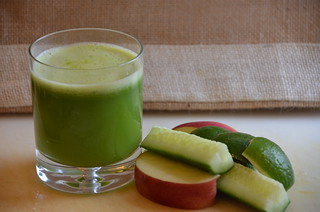
Juicing is the smartest and easiest way to introduce more fruits and vegetables into your diet, ensuring that you get all the nutrients and vitamins that your body needs to maintain good health. Before you start juicing, it’s smart to investigate the benefits of all the different kinds of juices so you’ll know what kinds of juices are best for your individual tastes and nutritional needs. The article below discusses some great juicing information.
Leafy Greens
In terms of health benefits, the best types of juice come from green vegetables including parsley, chard, spinach, kale and broccoli. The idea here is to use leafy greens not for their flavor, but for their health benefits. So use at least 50% leafy greens and then supplement other items for flavor. Fruit juice generally contains more sugar than the juice from greens and usually isn’t as healthy for you.
Drink your juice by itself. Once you are an experienced juicer and you realize how many fruits and vegetables it takes to make your juice, this concept will make sense. When you drink a glass of juice as a meal replacement, the nutrients are absorbed into your bloodstream more quickly.
After you have completed your juicing, immediately wash all the equipment that you used. Also, certain fruits and vegetables leave behind juice that can cause stains on equipment and its parts.
Make sure your juicer is in a visible location on your counter. You will use it more if it is in sight. Keeping the juicer visible adds an extra bit of convenience.
Coffee Filter
Sometimes when you juice fruit, such as oranges, you can end up with pulp in your drink. This pulp can easily be separated by straining the juice through a coffee filter. The pulp from some fruits can create a consistency that you dislike. The pulp can be reduced or eliminated by straining the juice through a cheesecloth or a coffee filter.
If you have diabetes or hypoglycemia, try juicing vegetables as opposed to fruits until you talk to your physician. Do not drink fruit juice because it can cause your blood sugar to rise rapidly. People who have medical conditions that require certain dietary restrictions should carefully keep track of the amounts of fruit used in their juice blends. Vegetables seldom present a blood glucose concern, but keep in mind some vegetables can affect blood coagulation, an important consideration if you are using prescription blood thinners.
When it comes to juicing, observe your body’s reactions. You could drink a juice that doesn’t jive with your system. If you have any negative reactions to a new juice, think about new fruits or vegetables you used to find the culprit. Once you pinpoint the problematic ingredient, you can reduce the amount you use in your juice.
There are phytochemicals found in fruit and vegetable juice that are known to actually remove carcinogens from your body! Include as many phytochemical-rich foods as possible in all of your juice recipes!
Cranberry Flavor
They can lend a bitter flavor to juice, so use them in conjunction with sweeter fruits or veggies, such as carrots, berries, or citrus. My favorite is a berry blend of strawberries, blueberries, cherries and cranberries! You can choose to include more cranberries to make the cranberry flavor the more dominant flavor in your juice or fewer cranberries to weaken the cranberry flavor of your juice.
Remember the concept of “negative calories” when you are juicing for weight loss. Try to combine produce in your juice that takes more calories to burn than are consumed in the juice itself. Some common negative calorie foods are dark greens, including the childhood menaces of broccoli, cabbage and kale. You also want to consider getting fruits high in fiber, so that you can break down and digest food properly.
Juicing can give you more nutrients that can boost your body’s health. Juices can provide the energy you to need to power through your workouts, and if they contain protein, they can help build muscle. When you finish a heavy workout these juices will provide the electrolytes you need to replenish your system. Consider mixing in some protein powder made of whey. This can be an important addition to replenish muscle fibers.
To keep your dark leafy vegetables fresh for when it comes time to juice them, keep them in a tightly-sealed zippered bag. Wash them thoroughly, then make sure they are dry before sealing them into bags.
Creating “signature” drinks or taste-testing competitions are fun ways to involve the entire family in the juicing process. Have a child wash the produce while an adult chops it up.
You should know that some juices can have an affect on your teeth. Pay attention to how some juices can create unsightly stains on your tooth’s enamel. Carrots and beets for example, can cause this to occur when they are juiced. If you have teeth that stain easily, brush them after you drink these juices.
Juicing beetroot, cabbage, or fennel can be a great way to eliminate constipation. Grapes, papaya, figs or other good, cleansing produce. Using these fruits and vegetables in your juice on a regular basis will keep your bowel movements regular.
As was stated in the beginning of this article, drinking fresh fruit and vegetable juice is one of the best things you can do for your health. By consistently following a well-planned juicing program, you can dramatically improve your health and fitness.